
Artificial intelligence (AI) continues to reshape technological landscapes, driving unprecedented innovations across industries and challenging traditional computational paradigms. From advanced machine learning algorithms to sophisticated robotic systems, AI represents a transformative force with far-reaching implications for global technology development.
Understanding AI's Technological Foundations
At its core, artificial intelligence represents a complex ecosystem of computational techniques designed to emulate human-like cognitive processes. AI technologies leverage sophisticated algorithms, neural networks, and machine learning models to process information, recognize patterns, and generate intelligent responses.
Machine Learning: The Intelligent Core
Machine learning stands as a critical component of modern AI systems. By enabling computers to learn from data without explicit programming, machine learning algorithms can adapt, improve, and make increasingly sophisticated decisions. Companies like Google, Microsoft, and OpenAI have been at the forefront of developing increasingly complex machine learning frameworks that power everything from recommendation systems to autonomous vehicles.
Robotics: Physical Intelligence in Action
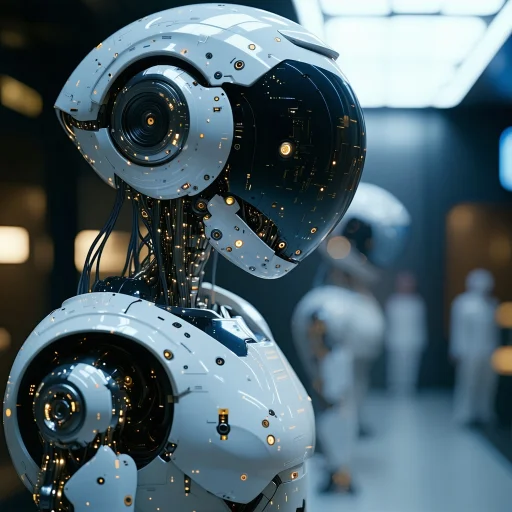
Robotic systems represent another crucial domain of AI development. Modern robots are no longer simple mechanical devices but intelligent machines capable of complex interactions, decision-making, and environmental adaptation. Industries ranging from manufacturing to healthcare are witnessing transformative robotic innovations that blend advanced algorithms with physical mechanical capabilities.
Algorithmic Innovations Driving AI Forward
Sophisticated algorithms form the intellectual backbone of artificial intelligence. These computational frameworks enable machines to process vast datasets, recognize intricate patterns, and generate insights that would be impossible through traditional computing methods.
| AI Domain | Key Algorithmic Approach | Primary Application |
| Machine Learning | Neural Networks | Pattern Recognition |
| Natural Language Processing | Transformer Models | Language Understanding |
| Computer Vision | Convolutional Neural Networks | Image Analysis |
Global Impact and Future Perspectives
The ongoing development of AI technologies promises profound societal transformations. Emerging startup ecosystems are increasingly focused on leveraging AI to solve complex global challenges, from climate modeling to personalized healthcare solutions.
"Artificial intelligence is not just a technological revolution—it's a fundamental reimagining of human-machine interaction," says Dr. Elena Rodriguez, AI research director at the Stanford Computational Intelligence Lab.
Ethical Considerations and Responsible Development
As AI capabilities expand, critical conversations about ethical implementation and potential societal impacts have gained prominence. Cybersecurity experts and policymakers are increasingly emphasizing the importance of developing transparent, accountable AI systems that prioritize human values and safety.
The trajectory of artificial intelligence suggests we are witnessing not just a technological evolution, but a profound reimagining of computational potential. Machine learning, robotics, and advanced algorithms are converging to create intelligent systems that promise to reshape our understanding of technology, creativity, and problem-solving.
 By
By 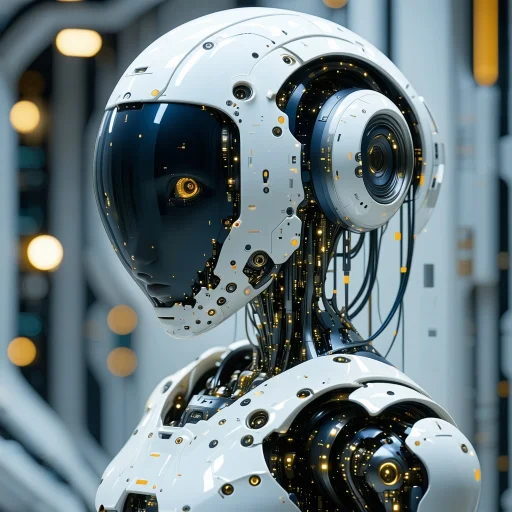
 Mr Ifenuga

 Herbert Onyebuchi

 Ikejiofor Patrick